In depth: electric toothbrushes explained
What Expert Reviews and Electric Teeth measured, and what they did not
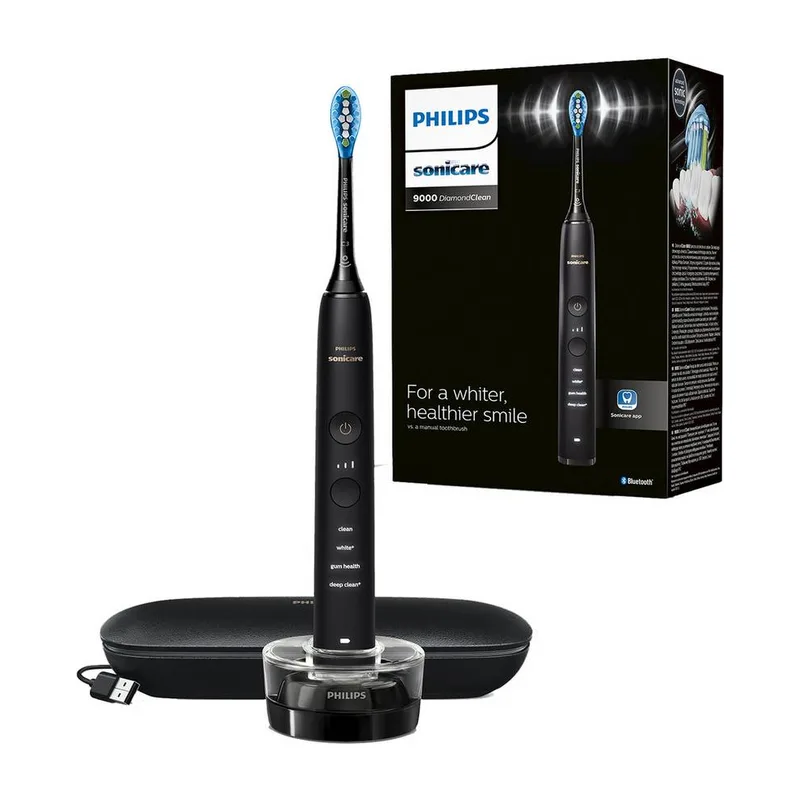
Expert Reviews' reviewers used each brush for a period and gave star ratings, with measured battery life for some models, such as 98 minutes for the iO4 and about 35 days for the Suri 2.0. Its roundup, updated on 4 November 2026, rates the Pro 3 3000 and DiamondClean 9000 five out of five but does not repeat the detailed findings behind those ratings.
Electric Teeth measures battery life in days and noise in decibels for each brush it recommends, which gives the most consistent figures in this comparison. It is funded by affiliate commission, like many review sites, which is worth knowing when reading its verdicts. Its measurements cover the Sonicare 5300, the iO3 and the Suri 2.0 from our list.
Neither source assessed dental health outcomes, and neither do we. Brushing scores here reflect testers' experience of power, comfort and ease of use, nothing more.
Where the two sources overlap, their findings are consistent. Both rate the Suri 2.0 highly for design and battery, and both put Oral-B's iO range near the top for cleaning feel. That agreement gives us more confidence in those verdicts than in ratings that rest on a single source.
Oral-B iO4 against iO3: why the higher model is our top pick
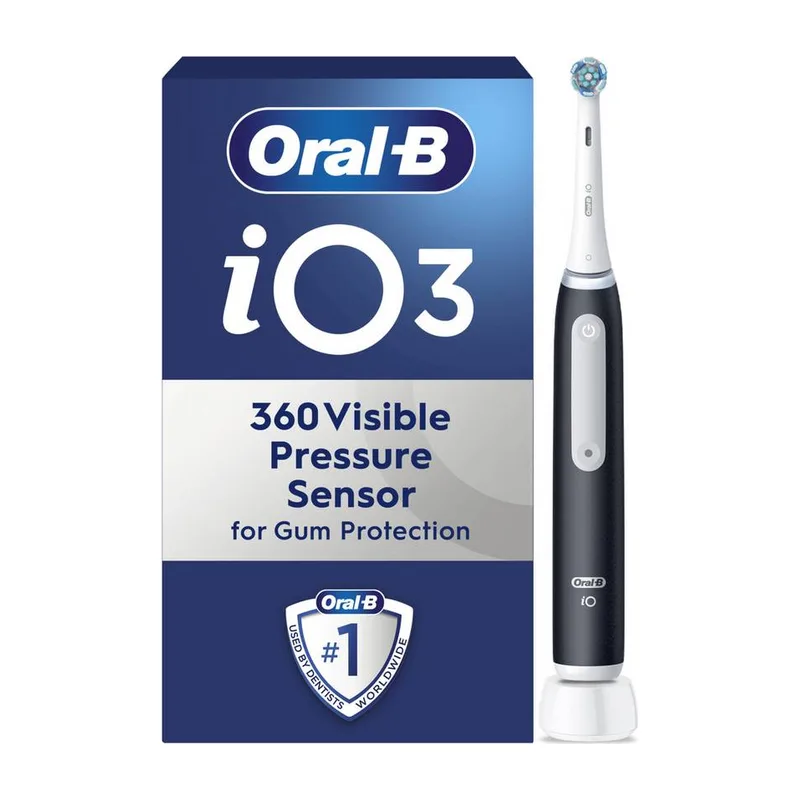
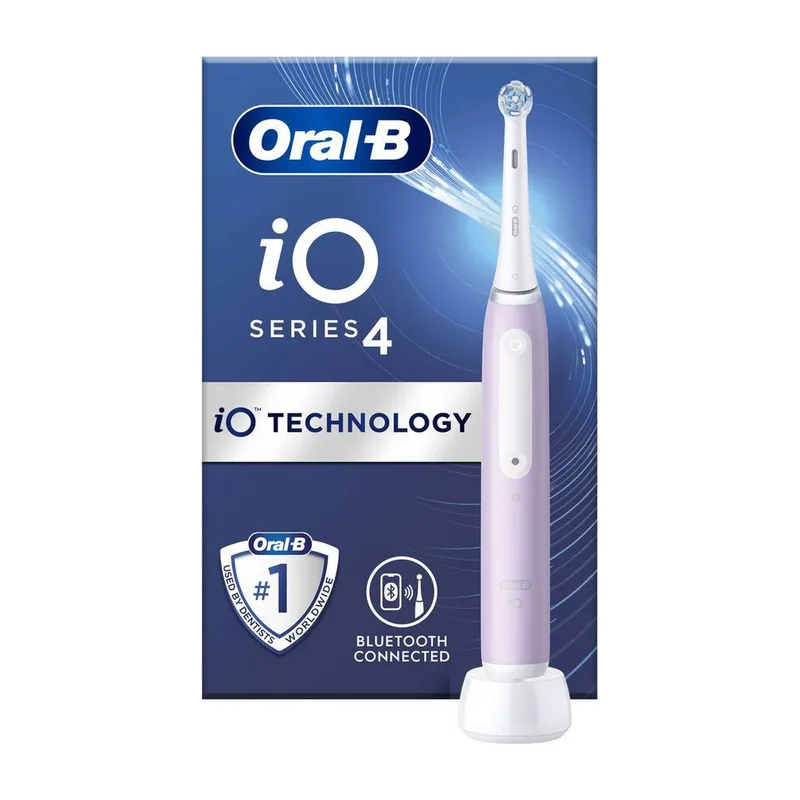
Normally a higher model number means a higher price. On the assessment date, the reverse was true at Argos: the iO4 cost £52.50 and the iO3 £130. The iO4 adds a fourth mode and a three-year guarantee with registration, and Expert Reviews rates it a Best Buy against four out of five for the iO3.
The iO3's advantage is owner feedback. 177 Argos reviews average 4.5, against 47 averaging 3.9 for the iO4, and the iO4's reviewers mention shorter battery life than expected. That is why the iO3 is close behind despite the price.
If the prices reverse, which happens often, the iO3 becomes the better value. Check both before buying.
Both share the same app and magnetic drive, so the everyday experience is close. The fourth mode on the iO4 is a minor extra; the price is the real reason it tops our comparison.
For gifts, the iO4 is the easier recommendation because its lower Argos price leaves room in the budget for spare heads.
Looking after an electric toothbrush
Rinse the head and handle after use and let them dry upright, so water does not sit around the drive shaft. Most manufacturers advise removing the head now and then to clean the shaft, where toothpaste builds up.
Batteries last longest if you do not leave the brush on the charger constantly for years, although modern lithium-ion brushes manage this better than older models. Follow the manufacturer's charging advice in the manual.
Replace the head when the bristles splay, or as the manufacturer recommends. A worn head makes any brush feel less effective.
Keep the charging stand dry and wipe away toothpaste residue from the contacts, because a poor connection can look like a battery fault. If a brush stops holding charge within the guarantee period, contact the retailer or manufacturer before buying a replacement.
Sonicare 5300 against Suri 2.0: two sonic brushes for people who hate charging
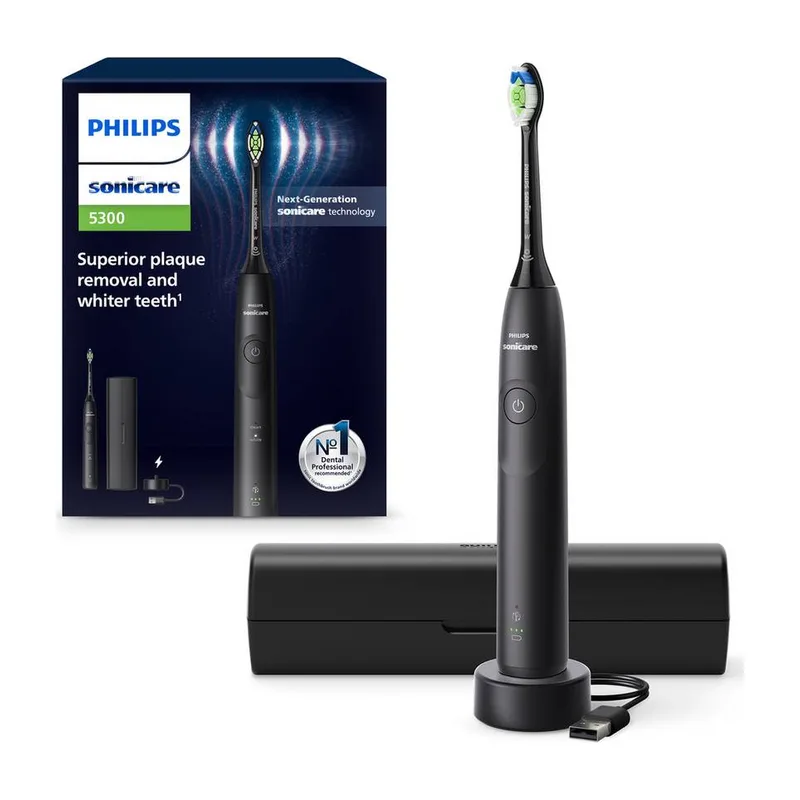
Both brushes are sonic, both are quiet in Electric Teeth's measurements and both last more than a month between charges, which sets them apart from the Oral-B models. The Sonicare 5300 measured 46 days and 63 dB; the Suri 2.0 measured 38 days and 58 dB.
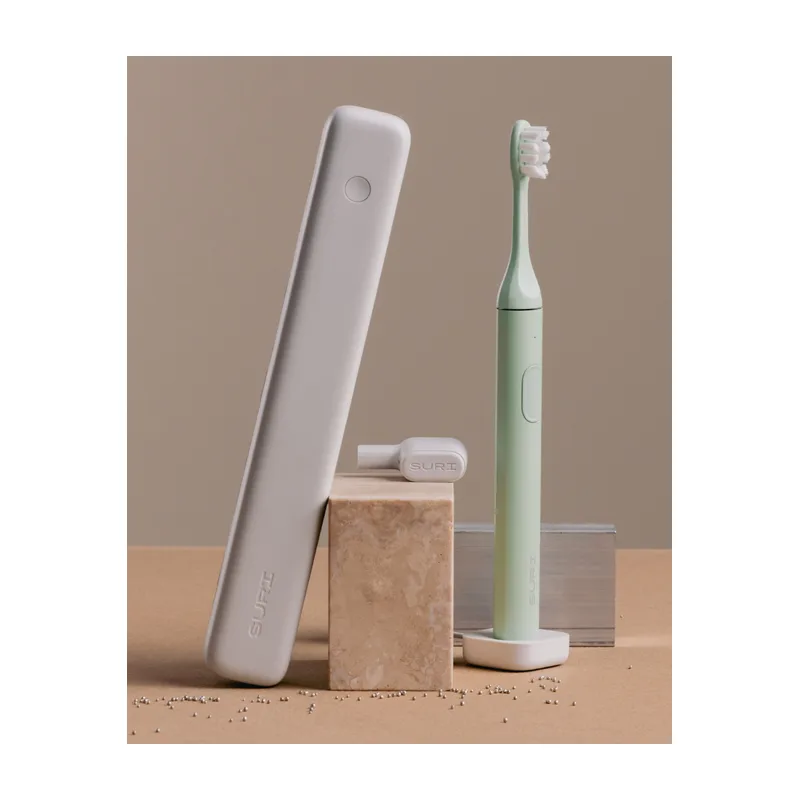
The Sonicare has more owner reviews, 63 at Argos averaging 4.7, and two intensities on top of two modes. The Suri has the quieter motor, a UV travel case, USB-C charging and recyclable plant-based heads, but only seven reviews at John Lewis and a gentler action that both testers noted.
On the assessment date the Suri was £56.99 cheaper than the Sonicare at Argos. For anyone who values sustainability and quiet, the Suri is the better match. For anyone who wants a larger owner track record, the Sonicare is the safer choice.
Neither has the power of the rotary Oral-B brushes in testers' descriptions, so if you prefer a strong clean, both are worth trying in person first.
If you travel a lot, the measured battery figures make both a better fit than any of the Oral-B models here, and that alone may decide the choice.
A practical test is to think about where you charge. If the brush sits on a stand by the basin every night, battery life matters little and the Oral-B models' features may suit you better. If the charger lives in a drawer or a suitcase, the sonic brushes' month-plus battery is the deciding factor.
Buying guide: choosing the right electric toothbrush
Rotary or sonic is a question of feel, not of which cleans better
Electric toothbrushes come in two main types. Rotary, or oscillating, brushes like the Oral-B models have a small round head that turns back and forth. Sonic brushes like the Philips Sonicare and Suri have a conventional-shaped head that vibrates at high speed. Both types appear among Expert Reviews' Best Buys in this comparison, so neither is ruled out by the evidence.
Testers describe the difference mostly in terms of feel. Expert Reviews found the Suri's modes fairly gentle compared with rotary brushes, and described the Oral-B iO4 as powerful but comfortable. Some people find a rotary head easier to guide tooth by tooth; others prefer the larger sonic head and the softer sensation.
Head shape also affects how the brush reaches the back teeth. The small round head on rotary brushes is compact, while sonic heads are longer and flatter, closer to a manual brush. People switching from a manual brush sometimes find a sonic head more familiar at first.
We do not rank one type above the other, and we make no claims about which is better for teeth or gums. That is a question for your dentist, who knows your mouth. What we can compare is the evidence on each brush's battery, features, noise, price and testers' experience.
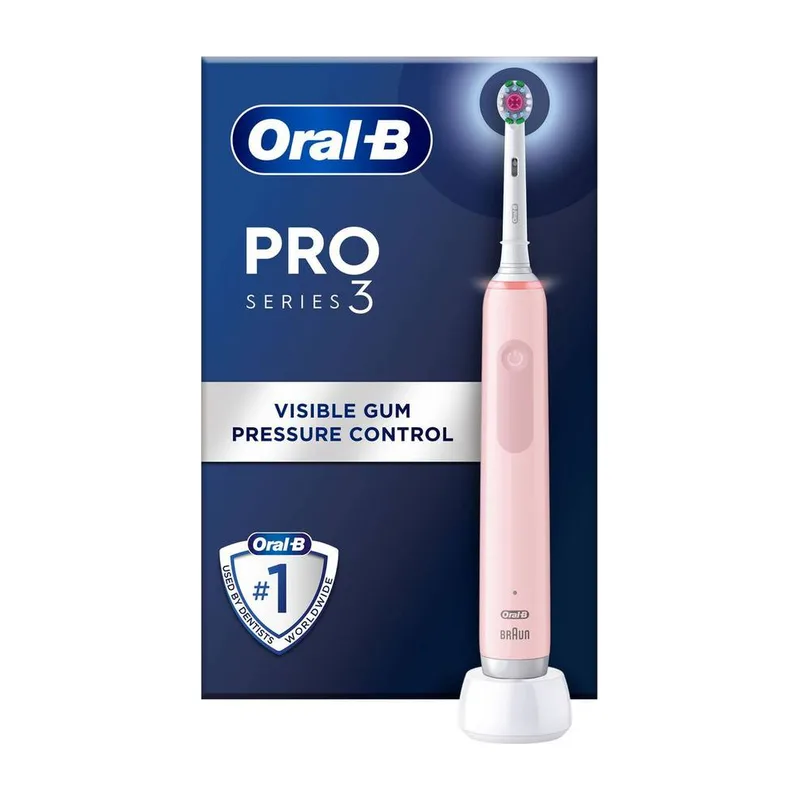
If you have never used an electric brush, a cheaper model of each type lets you find out which you prefer before spending more. The Oral-B Pro 3 at £35 is the cheapest rotary brush here.
A pressure sensor is the one feature worth insisting on
Every brush in this comparison has a pressure sensor, which lights up or vibrates when you press too hard. Brushing too firmly is a common habit, and a sensor gives immediate feedback without you having to think about it. Brushes without one, such as the Ordo Sonic Edge that Expert Reviews rated as its best budget pick, are cheaper for that reason.
The sensors differ in how they warn you. The Oral-B iO models use a coloured light ring, and Argos describes Gum Guard as tracking time spent pressing too hard. The Philips DiamondClean 9000 softens its vibration as well as warning you. The Suri 2.0 uses a haptic buzz, which Electric Teeth found needs quite a lot of force to trigger.
Pressure sensors also help when switching from a manual brush, because people used to scrubbing often press harder than an electric brush needs.
A two-minute timer is the other near-universal feature. Most brushes here also prompt you every 30 seconds to move to the next part of the mouth. The Suri's timer resets if you switch off mid-session, which Expert Reviews found irritating.
In practice, the best sensor is one you notice. A light in the corner of your eye works for some people; a change in vibration works better for others. If you can, look at how each sensor signals before buying, because a warning you ignore does nothing.
Battery life varies threefold, and the measured figures beat the box
Measured battery life ranges from 17 days for the Oral-B iO3 to 46 days for the Sonicare 5300 in Electric Teeth's tests. That is the biggest single difference between the brushes here, and it matters most for frequent travellers and anyone who keeps the charger out of sight.
Manufacturers' figures can understate or overstate real use. Argos lists 84 minutes for the Sonicare 5300, which would be 21 days at four minutes a day, while Electric Teeth measured 46 days. For the Oral-B iO4, Expert Reviews measured 98 minutes, about 24 days. We use measurements wherever they exist.
If you share a bathroom, a brush that lasts a month means the charger can live in a drawer rather than on the basin, which some households value as much as any cleaning feature.
Charging time matters too. Argos lists 16 hours for the iO3, 12 hours for the Pro 3 and 24 hours for the DiamondClean 9000. Expert Reviews found the iO4 slow to charge, and the Suri takes about ten hours according to its manual. Plan to charge overnight with any of them.
Battery indicators help too. Most brushes here show a low battery light, and the Sonicare and Oral-B models show a charge indicator according to Argos. A brush that dies mid-session without warning is a common complaint in owner reviews of cheaper models.
Smart features rarely change the verdict
Apps that track where you have brushed are the main selling point of premium brushes. Expert Reviews praised the iO4's app for technique tips, and the DiamondClean 9000 also connects to an app. In Electric Teeth's assessment of a more expensive Sonicare, its reviewers found the tracking slightly unreliable at times.
The evidence here suggests apps are a nice extra rather than a reason to pay more. The Pro 3, with no app, earns the same five out of five from Expert Reviews as the app-connected DiamondClean 9000, and costs £129.99 less.
Apps also need ongoing support. A brush works without its app, but if a manufacturer stops updating it, the tracking features may stop working on newer phones. That risk is small for the largest brands but worth knowing before paying extra for smart features alone.
If you like data and will open the app, an iO4 gives you that for £52.50. If you will not, a pressure sensor and timer give most of the day-to-day benefit.
Modes deserve the same scepticism. Whitening, gum care and sensitive modes change the pattern and speed of the movement, and testers rarely report large differences between them. The most useful modes for most people are a standard clean and a gentler setting for sensitive teeth, which every brush here offers in some form.
Noise is easy to overlook until you brush next to a sleeping partner
Electric Teeth measured noise for several brushes: 58 dB for the Suri 2.0, 63 dB for the Sonicare 5300 and 64 dB for the Oral-B iO3. It also measured 72 dB for the cheap Oral-B Pro 1, which we did not include. A difference of six to eight decibels is clearly audible in a quiet bathroom.
Expert Reviews described the iO4 as quiet without a figure. For the Pro 3 and DiamondClean 9000 we found no noise evidence, so we give them neutral scores rather than guessing.
Sound also travels through bathroom walls and floors more than people expect. In flats with thin partitions, the quieter sonic brushes here may be noticeably less disruptive at night than a louder rotary model.
If you brush early or late in a shared flat or near a baby's room, give noise more weight than our model does. The Suri and the Sonicare 5300 are the quietest measured options.
Noise also changes with the head. A worn or loose head can rattle, so if a brush gets louder over time, try a fresh head before assuming the motor is failing.
The price of a brush is only the first payment
Replacement heads are an ongoing cost, and most brands advise changing them every few months. Head prices vary by brand and type and were not stated consistently by the retailers we used, so we have not included them in the price score. Check head prices before choosing, especially for premium brushes whose heads tend to cost more.
Some brands sell heads by subscription, which can lower the cost per head but commits you to a schedule. Others sell compatible heads from third parties, which are cheaper but not covered by the brush maker's guidance.
Brush prices themselves swing widely. On 14 November 2026 Argos sold the Oral-B iO4 for £52.50 and the iO3 for £130, while Expert Reviews had listed the iO3 at £53 at Boots. A brush that looks expensive one week can be cheap the next, so compare before buying.
Guarantees range from two years to three years with registration for the iO4. Oral-B and others require online registration for the longer cover.
Over three years, heads for a premium brush can cost as much as the handle. If you are choosing between two similar brushes, compare the price of a multipack of heads from each brand at the same retailer.
Travel cases and charging stands decide how easy a brush is to live with
Some brushes come with a case that charges the brush, which means one less charger to pack. The DiamondClean 9000 has a USB charging travel case and the Suri 2.0 a UV clean-and-charge case. The Sonicare 5300 has a plain travel case according to Argos.
Plugs are a hidden issue. Argos notes that several brushes here use a two-pin plug for the charger without an adaptor included, and owners of the DiamondClean 9000 complain that the stand's plug is not supplied. In a UK bathroom, that usually means a shaver socket or buying an adaptor.
Wireless charging stands look tidy but tend to charge slowly, and some take up more room on a basin than a simple base. The DiamondClean 9000's stand drew complaints about its plug rather than its charging, according to Argos reviewers.
USB-C charging, as on the Suri, avoids the problem altogether, because any phone charger will do.
A charging case is a convenience rather than a necessity. If your trips are short, a brush with a measured battery of more than a month, such as the Sonicare 5300 or the Suri, makes the charger optional altogether.
Children and teenagers need a different starting point
The brushes in this comparison are adult models. Children's electric toothbrushes have smaller heads, softer bristles and often a lower speed, and manufacturers set age guidance for them. If you are buying for a child, choose a model designed for their age rather than an adult brush.
Teenagers can usually use adult brushes, and a pressure sensor is useful for anyone still developing their technique. A cheaper brush such as the Oral-B Pro 3 is a sensible first electric toothbrush because it has the essential features without the cost of the premium models.
Ask your dentist if you are unsure what suits a child's teeth, especially with braces or other dental work, where special heads may be recommended.
For older children who are ready for an adult brush, battery life and a timer with prompts are more useful than smart features, which they may ignore.
Teenagers who are fussy about noise or vibration may also prefer a gentler sonic brush, and the Suri's slim handle suits smaller hands.